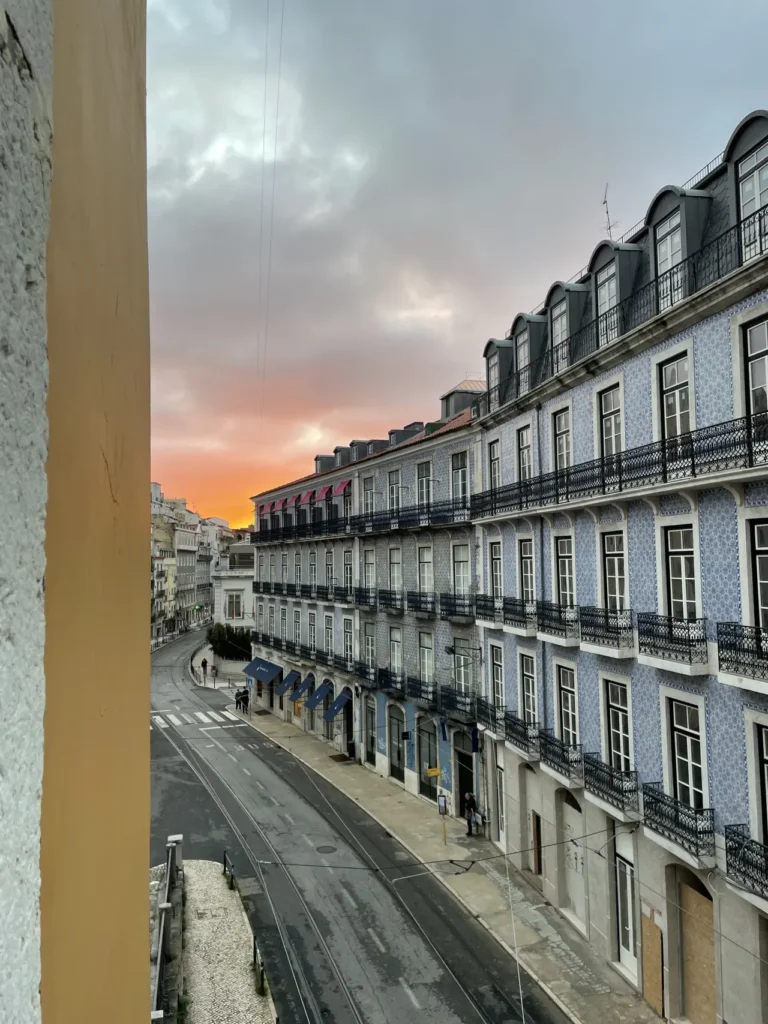
Lisbon, the capital of Portugal, is a city where history, culture, and modern life blend together effortlessly. Known as the “City of Seven Hills,” it offers breathtaking views from every angle — from aerial perspectives as you arrive, to winding cobblestone streets that reveal centuries of stories.
- Geography & Setting: Lisbon sits along the Tagus River, its waterfront shaping the city’s identity as a maritime hub. The hills provide natural viewpoints, making the cityscape especially photogenic.
- History: With roots stretching back to Roman times, Lisbon flourished during the Age of Discoveries in the 15th and 16th centuries, when Portuguese explorers set sail to chart new worlds.
- Culture: Today, Lisbon balances tradition and innovation — fado music echoes through historic neighborhoods, while creative spaces like LX Factory showcase modern art and design.
- Architecture: From medieval alleys to baroque churches and tiled façades, Lisbon’s architecture reflects layers of influence: Moorish, Gothic, Manueline, and contemporary.
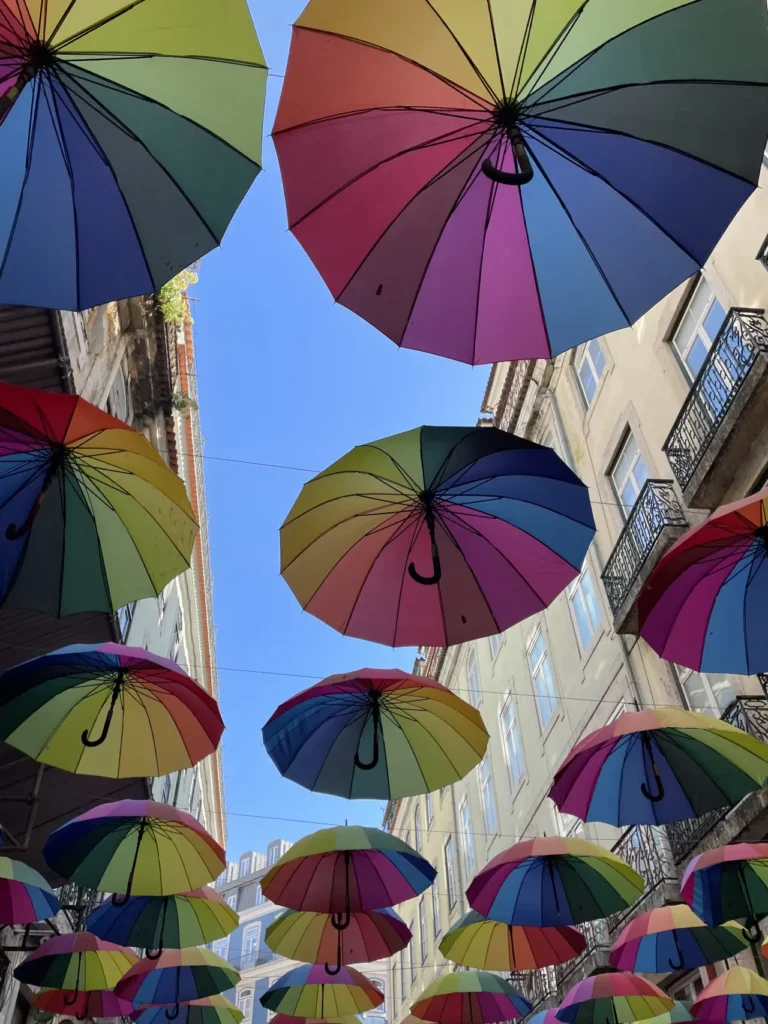
Iconic Landmarks & Architecture
Lisbon’s skyline and waterfront are defined by its striking landmarks and architectural treasures. These images capture the essence of the city’s most recognizable features.
25 de Abril Bridge & Tagus River
- The 25 de Abril Bridge, often compared to San Francisco’s Golden Gate, stretches across the Tagus River.
- Built in 1966, it symbolizes Lisbon’s modern expansion and is one of the longest suspension bridges in Europe.
- Sunset views over the river highlight Lisbon’s maritime heritage and its role as a gateway to the Atlantic.


Lisbon’s Traditional Buildings
- Lisbon is a district steeped in history, home to Portugal’s Age of Discoveries.
- Its streets feature yellow-painted façades, colorful tiled houses, and pine tree backdrops, blending natural beauty with architectural charm.
- Decorative green mosaic tiles on building fronts showcase Portugal’s famous azulejo tradition, a hallmark of Lisbon’s identity.


Historic Belém District
Belém is one of Lisbon’s most storied neighborhoods, deeply tied to Portugal’s maritime past and cultural identity. Your images of its streets and buildings capture the district’s timeless charm.


Historic Streets of Belém
- Cobblestone paths wind through centuries-old neighborhoods, connecting Lisbon’s past with its present.
- These streets reflect the city’s layered history — Roman foundations, Moorish influence, and Renaissance expansion.
- Today, cafés, shops, and street life bring vibrancy to these historic settings, showing how Lisbon’s heritage remains alive.


Traditional Buildings & Azulejos
- Belém’s houses often feature painted façades and mosaic tilework (azulejos), a hallmark of Portuguese design.
- The green mosaic tiles at building fronts in your photos highlight Lisbon’s artistry and craftsmanship.
- Decorative tiles were not only aesthetic but also practical, helping regulate temperature and protect walls.
Nature & Setting
- Pine trees rising behind the buildings add a natural backdrop, contrasting with the urban architecture.
- This mix of greenery and stone reflects Lisbon’s balance between nature and city life.


Lisbon’s Culinary Heritage
Lisbon’s flavors are as iconic as its landmarks. Your images of Pasteis de Nata and Pasteis de Belém capture Portugal’s sweet traditions that have become world-famous.
Pasteis de Nata
- These custard tarts are Lisbon’s most beloved pastry, with a flaky crust and creamy filling.
- Originating in the 18th century, they were first created by monks at the Jerónimos Monastery in Belém.
- Today, they are enjoyed across Portugal and beyond, often sprinkled with cinnamon or powdered sugar.
- Your images highlight their golden tops and inviting presentation — a symbol of Lisbon’s everyday indulgence.
Pasteis de Belém
- The most famous version of the custard tart, sold exclusively at the Pastéis de Belém bakery since 1837.
- The recipe remains a closely guarded secret, passed down through generations.
- Long queues outside the bakery testify to its enduring popularity among locals and tourists alike.
- Your photos showcase not just the pastry, but the cultural ritual of savoring them fresh in Belém.


Culture & Creative Spaces
Lisbon is not only about history — it’s also a city of creativity and modern expression. Your images of LX Factory and café moments capture this vibrant side of Lisbon.
LX Factory: Industrial Heritage Reimagined
- Once a 19th-century textile factory, LX Factory has been transformed into a cultural hub.
- Today, it houses art galleries, bookstores, cafés, and design shops, making it a symbol of Lisbon’s creative revival.
- Murals and street art decorate its walls, blending industrial heritage with contemporary culture.
- Your photos of cafés and shops here reflect Lisbon’s modern artistic spirit.
Espresso & Café Culture
- Coffee is central to Lisbon’s daily rhythm — especially the bica, a strong espresso served in small cups.
- Cafés are social spaces where locals gather, read, and converse, continuing traditions that date back centuries.
- Your images of espresso moments highlight this cultural ritual, showing how Lisbon’s café life connects people and ideas.
Modern Meets Historic
- LX Factory and Lisbon’s café culture embody the city’s balance: preserving heritage while embracing innovation.
- They show Lisbon as a place where tradition and creativity coexist, making it both timeless and forward-looking.


Conclusion: Lisbon Portugal in Pictures
Through more than 80 images, this collection has revealed Lisbon as a city of contrasts and harmony — where historic streets meet modern creativity, and culinary traditions sit alongside architectural marvels.
- History: From Belém’s cobblestone lanes and tiled façades to the 25 de Abril Bridge, Lisbon’s past and present are woven together in stone, tile, and steel.
- Culture: Fado music, café rituals, and creative hubs like LX Factory show how Lisbon continues to reinvent itself while honoring tradition.
- Architecture: Gothic monasteries, baroque churches, and colorful azulejos highlight the city’s layered influences across centuries.
- Flavor: Pasteis de Nata and Pasteis de Belém embody Lisbon’s sweet heritage, connecting monastic recipes to modern-day indulgence.
Lisbon is not just a destination — it is a living story told through its streets, flavors, and people. These images capture that essence, offering a journey that is both visual and cultural.


